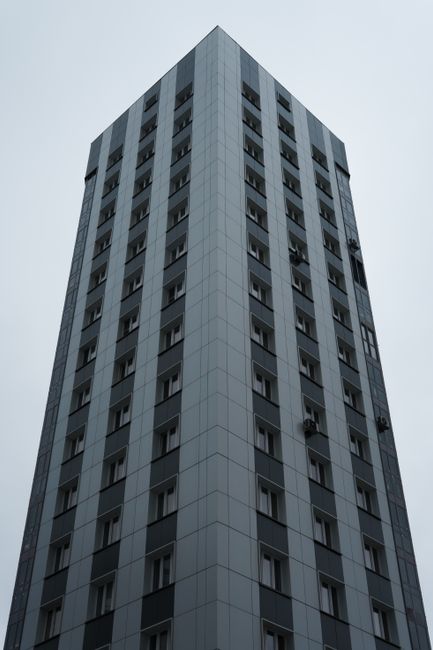
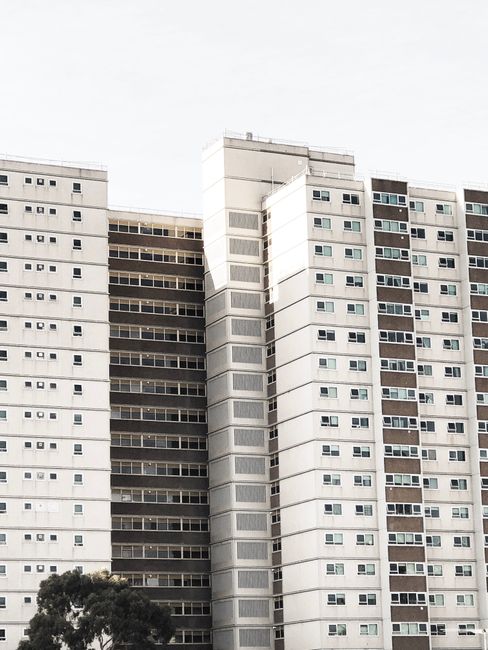
Tolworth Tower removals for high rise flats safe handling
Moving out of a tower block is not the same as moving from a ground-floor flat. Anyone who has wrestled a sofa through a narrow hallway, waited for a lift that seems to have a personality of its own, or tried to keep a trolley steady on a windy service road will know that already. Tolworth Tower removals for high rise flats safe handling is about doing the job properly: protecting people, protecting property, and making sure the move runs smoothly from first box to final handover.
If you are planning a move in or around Tolworth Tower, the details matter. Lift access, stairwells, loading bays, parking, building rules, fragile items, and timing windows can all affect the day. This guide explains how safe handling works in practice, what to expect, where risks usually appear, and how to prepare so the move feels controlled rather than chaotic. You will also find a checklist, a practical comparison table, and a realistic example based on the kind of problems people run into in high rise flats.
Table of Contents
- Why Tolworth Tower removals for high rise flats safe handling Matters
- How Tolworth Tower removals for high rise flats safe handling Works
- Key Benefits and Practical Advantages
- Who This Is For and When It Makes Sense
- Step-by-Step Guidance
- Expert Tips for Better Results
- Common Mistakes to Avoid
- Tools, Resources and Recommendations
- Law, Compliance, Standards, or Best Practice
- Options, Methods, or Comparison Table
- Case Study or Real-World Example
- Practical Checklist
- Conclusion
- Frequently Asked Questions
Why Tolworth Tower removals for high rise flats safe handling Matters
High rise removals create a different set of challenges from standard house moves. In a tower block, the route from the front door to the van can involve lifts, shared corridors, communal entrances, fire doors, restricted parking, and other residents using the same spaces. That means a single careless lift load, a badly wrapped cabinet, or a rushed carry can create delays or damage very quickly.
Safe handling matters for three simple reasons. First, it reduces the chance of injury. Lifting a washing machine, mattress, or tall bookcase in a confined space is awkward at the best of times. Second, it protects the building and your belongings. Lift doors, walls, floors, and corners are all vulnerable to scuffs and knocks. Third, it keeps the move on time. Tower blocks usually work best when the team arrives with a plan, not a guess.
There is also a social side to it. In a busy building, you do not want to block access or turn the lobby into a staging area for half the morning. A tidy, well-managed move is simply kinder to everyone else using the building. That sounds obvious, but on moving day it is the small things that tend to trip people up.
Expert summary: the safest tower-block move is rarely the fastest one on paper. It is the one that is planned around access, lift use, item protection, and clear communication. A bit of patience up front saves a lot of stress later.
How Tolworth Tower removals for high rise flats safe handling Works
Safe handling for a high rise flat move starts long before the van arrives. A good move is usually built in stages: survey the access, plan the packing, protect the building, organise the lift or stairs, and then move items in a steady order so nothing gets jammed or rushed.
In practical terms, the process often looks like this:
- Pre-move assessment. The mover checks access details such as lift size, floor level, doorway widths, parking points, and whether a booking is needed for shared lifts or loading areas.
- Packing and protection. Boxes are sealed properly, breakables are cushioned, furniture is wrapped, and awkward items are disassembled where sensible.
- Building protection. Corners, floors, lift interiors, and door frames may need covering to reduce scuffs and knocks.
- Loading plan. Heavy items go first or last depending on the route, the lift size, and the van layout. There is usually a sequence, even if it looks informal from the outside.
- Controlled transport. Items are carried with enough people for the weight and shape of the object. No heroics. Honestly, heroics are overrated on moving day.
- Unloading and placement. Items are taken to the correct rooms, checked off, and placed so the customer can unpack without having to move everything again.
For many people, the biggest surprise is not the lifting itself. It is the access planning. In tower blocks, the move can be delayed by a lift that is too small for a sofa, a car park that is awkward for a van, or a concierge process that nobody remembered to mention. Those are the moments where experienced handling really pays off.
If you are comparing services, it helps to look at flat removals alongside broader removal services, because tower-block work is usually a more detailed version of a standard flat move. For larger households, the planning can overlap with home moves or even house removals if the property includes a lot of furniture and multiple rooms.
Key Benefits and Practical Advantages
The most obvious benefit of safe handling is reduced risk. But there are several other advantages that are easy to overlook until you are in the middle of the move and quietly grateful someone thought ahead.
- Less damage to furniture and fixtures. Wrapped edges, padded corners, and careful carrying prevent the classic tower-block bruises.
- Fewer delays. A planned route through lifts and corridors is faster than improvising every trip.
- Lower stress. You are not standing in the hallway wondering whether the wardrobe will fit. Well, not for long anyway.
- Better safety for everyone. Residents, movers, and building staff are all less likely to get caught in a bottleneck.
- Cleaner handover. A well-run move leaves the flat, lift, and communal areas in better shape.
- Smarter use of labour. The team can focus on actual moving rather than firefighting access issues.
There is also a practical financial angle. Preventing damage to a lift panel or a glass table is usually a lot cheaper than fixing or replacing it afterwards. That is not dramatic, just plain common sense. And if a move is time-sensitive, such as ending a tenancy or collecting items from storage, efficiency is worth its weight in boxes.
For people moving a few items rather than a full household, a smaller vehicle solution can sometimes be enough. In those cases, a man and van or man with van style service may suit the job, especially if access is tight and the load is modest. For heavier or bulkier jobs, a moving truck can be the more practical choice.
Who This Is For and When It Makes Sense
This kind of service is a good fit for anyone moving in a high rise, but it is especially useful if the building has restricted access, a small lift, a long corridor, or a strict booking system. It also makes sense when you are moving on your own and do not want to underestimate the effort involved. To be fair, most people do underestimate it a bit.
You will likely benefit from safe handling support if you are:
- leaving a flat on a high floor with lift access
- moving into a tower block with a tight delivery window
- carrying fragile, heavy, or awkward furniture
- moving with children, pets, or older relatives and need the day to stay calm
- working to a tenancy end date or completion deadline
- relocating from a student flat or shared apartment
It also makes sense if you have items that need a bit more care than a standard box-taping approach. Think mirrors, TVs, artwork, small appliances, lamps, flat-pack furniture with loose fittings, or a piano. In those cases, a packing and boxes service or packing and unpacking services can remove a lot of pressure before moving day even begins.
Students often choose a simpler solution, but even then, high rise access can catch people out. A modest move from a studio flat can become awkward if there is only one small lift and three other residents also have somewhere to be. That is why student removals can be surprisingly helpful in tower settings.
Step-by-Step Guidance
Below is a sensible way to approach a tower-flat move without turning it into an all-day puzzle. You do not have to do everything perfectly. You just need a method that avoids the common traps.
1. Confirm the access details early
Before anything else, note the floor number, lift availability, parking arrangements, and any building rules. Ask whether there are time restrictions for moves, whether the lift can be booked, and whether protective coverings are required. This is the bit people skip, then regret at 8:10 on a Tuesday morning.
2. Measure the awkward items
Measure beds, sofas, wardrobes, mirrors, washing machines, and anything tall or wide. Compare those dimensions with lift doors, stair turns, and front-door openings. If something seems tight, it probably is. Small measurement errors in a tower block can become big problems.
3. Sort and reduce before packing
High rise removals are easier when you take less clutter with you. Sell, donate, recycle, or dispose of anything you no longer need. If you have surplus furniture, a furniture removals or furniture pick up option may help you clear space without adding to the main move.
4. Pack room by room
Use clearly labelled boxes and keep one room per box group where possible. Put heavier items in smaller boxes. It sounds boring. It is boring. But boring is good when you are moving off the 14th floor.
5. Protect the property and the load
Wrap furniture, secure drawers, tape loose cables, and protect edges. Use blankets, straps, and padding where needed. Hallways and lifts deserve protection too, especially in buildings with glossy surfaces that show every mark.
6. Load in the right order
The loading sequence should reflect the route, the van layout, and the order in which items need to be unloaded. There is no single perfect method for every building, but heavy, stable items usually need to be secured first so the load does not shift mid-journey.
7. Do a final walk-through
Check cupboards, balcony spaces, utility rooms, and behind doors. The number of keys left in a drawer at the very last second is mildly embarrassing, but it happens. Then it happens again. A final sweep saves time and awkward phone calls later.
Expert Tips for Better Results
These are the little things that make a move feel controlled instead of frantic.
- Book the move at the right time of day. Early slots often work better in tower blocks because lifts and entrances are quieter.
- Keep a corridor clear. One open path is better than several partially blocked ones.
- Use strong labels. Mark boxes with the room name and a brief contents note, such as "Kitchen - plates" or "Bedroom - winter clothes".
- Separate essentials. Keep medication, chargers, documents, snacks, and a kettle somewhere easy to reach. Yes, a kettle. People are less patient without tea.
- Tell neighbours when possible. A short heads-up can reduce awkwardness in shared spaces.
- Plan for one surprise. In our experience, there is always one thing: a parking issue, a lift delay, or a piece of furniture that suddenly seems to have grown overnight.
If you are moving business equipment rather than domestic furniture, the same logic applies, just with a bit more paperwork and a slightly different pace. Office removals and commercial moves often need the same careful handling in tall buildings, especially where laptops, monitors, filing systems, or stock are involved.
If your move is part of a broader move-in or move-out cycle, you may also want to compare removals options with removal van and removal truck hire. The right choice depends on the volume, access, and how many trips you want to avoid. Nobody enjoys extra laps in a tower car park. Nobody.
Common Mistakes to Avoid
Most tower-block move problems are preventable. The mistakes below show up again and again, usually because people are trying to save time or assuming the building will be "fine". That assumption can be expensive.
- Ignoring lift dimensions. A sofa that fits in your living room may still fail the lift test.
- Leaving packing too late. Rushed packing leads to breakages and messy loading.
- Not checking parking. A van that cannot stop close to the entrance slows everything down.
- Forgetting building rules. Some towers need advance notice or have specific moving hours.
- Overfilling boxes. Heavy boxes are awkward, unsafe, and often split.
- Trying to move furniture without enough help. Two people is not always enough, especially on stairs or around corners.
- Skipping insurance and safety checks. If a service provides them, review them properly before the move starts.
One more: do not assume every item should be moved in one piece. Sometimes disassembly is the safer and faster option. A wardrobe taken apart carefully is usually easier to handle than a wardrobe that blocks a lift for ten minutes while everyone stares at it. Awkward, but true.
Tools, Resources and Recommendations
You do not need a van full of specialist kit to complete a high rise move, but the right tools make a noticeable difference. Think of them as quiet helpers rather than dramatic gadgets.
| Tool or resource | Why it helps | Best use in tower-block moves |
|---|---|---|
| Removal blankets | Protect furniture edges and surfaces | Sofas, cabinets, TV units, mirrors |
| Straps and tie-downs | Stop movement during loading and transport | Heavy items and stacked boxes |
| Furniture sliders or dollies | Reduce strain when moving items across floors | Flat corridors and loading areas |
| Strong tape and labels | Keep boxes sealed and easy to identify | Room-by-room packing |
| Wardrobe boxes | Protect hanging clothes from creasing and dirt | Fast-moving wardrobes and garments |
| Plastic wrap or reusable covers | Keep items clean and dry | Mattresses, upholstered furniture, drawers |
On the service side, it is worth exploring whether you need a full move package or just targeted help. Some customers only need loading and transport. Others want packing too, or a short-term holding option through storage if the move-out and move-in dates do not line up neatly. That gap happens more often than people expect, especially with completion dates.
For reassurance, check the provider's public information on insurance and safety and its health and safety policy. If you are comparing moving companies, that kind of detail tells you more than flashy wording ever will.
Law, Compliance, Standards, or Best Practice
Any move in a tower block should be approached with common UK moving best practice in mind. That does not mean every building follows the same process, because they do not. But it does mean movers and customers should treat safety, access, and property care seriously.
At a practical level, the main expectations are straightforward:
- Manual handling should be sensible. Heavy or awkward items should not be carried in a way that puts people at unnecessary risk.
- Access rules should be respected. Building managers, concierges, and residents all need the move to stay orderly.
- Property should be protected. Floors, lifts, doors, and shared areas should be treated carefully.
- Insurance and service terms should be clear. You should understand what is covered, what is not, and what the moving company expects from you.
In real life, the best moves are the ones that feel calm because everyone knows the plan. That is much better than trying to improvise in a shared lobby while the lift keeps opening on other people. If you are uncertain about responsibilities, read the provider's terms and conditions and the relevant safety information before the day arrives.
For readers who want a more service-led move with built-in care, the safest next step is usually to compare a dedicated flat move with broader removal companies and see which option matches the access conditions, not just the price.
Options, Methods, or Comparison Table
There is more than one way to handle a tower-block move. The right approach depends on volume, access, speed, and how much help you want on the day.
| Method | Best for | Advantages | Limitations |
|---|---|---|---|
| Self-move | Very small loads | Lowest direct cost, full control | Highest physical effort, more risk in lifts and stairs |
| Man and van | Few rooms or lighter loads | Flexible, practical, often quicker to organise | Not always ideal for bulky furniture or large households |
| Full removal service | Complete flat or family move | More hands, more protection, better for awkward access | Usually needs more planning and a bigger budget |
| Van with packing help | Mixed loads and fragile items | Balances convenience and cost | Less suitable if the move is very large |
If you are moving from a small high rise apartment, man with a van style help can make perfect sense. If you have more furniture, more fragile items, or a time-critical move, a full removal services package is often the safer call. Simple, really.
Case Study or Real-World Example
Here is a realistic example. A couple moving out of a mid-to-high-floor flat in Tolworth had a king-size bed, a sofa, a dining table, six boxes of kitchenware, and a surprisingly awkward bookcase that looked harmless until it met the lift. At first glance, it seemed like a two-person job. Then the lift measurements came in, and the plan changed.
The movers broke down the furniture that could be dismantled, wrapped the sofa legs, and packed the fragile items separately. They booked the lift window early in the morning, before the building got busy. A van was parked close to the entrance, and the team used blankets and straps so nothing shifted in transit. The awkward bookcase? It had to come apart. Slightly annoying, but far better than forcing it through and scraping half the corridor on the way out.
The real win was not speed. It was control. The flat was cleared without damage, the communal spaces stayed tidy, and the clients were able to settle into the new place without spending the afternoon apologising to the building manager. That calm finish is what a well-handled high rise move should feel like.
Practical Checklist
Use this as a quick pre-move check. It is not fancy, but it works.
- Confirm lift availability, size, and booking rules
- Check parking, loading access, and any time restrictions
- Measure large furniture and awkward items
- Pack breakables with enough cushioning
- Label boxes clearly by room
- Disassemble furniture where it makes sense
- Protect floors, walls, and furniture edges
- Keep essentials separate for easy access
- Read insurance, safety, and terms information
- Tell the mover about anything especially heavy, fragile, or valuable
- Clear corridors and entry points before loading begins
- Do a final sweep of cupboards, storage spaces, and balcony areas
If you are at the early stage of planning, it can help to look at pricing and quotes before you commit, especially if you are comparing timing, access, or service levels. A clear quote is easier to work with than a vague promise. Much easier.
Get a free quote today and see how much you can save.
Conclusion
Tolworth Tower removals for high rise flats safe handling is about more than carrying boxes downstairs and hoping for the best. It is about access planning, careful lifting, sensible packing, and respectful movement through shared spaces. The best outcomes come from preparation: know the route, protect the furniture, keep the building informed, and choose the right level of help for the load.
If your move feels like it could become awkward, that is usually a sign to slow down and plan better rather than push harder. High rise flats reward calm, methodical work. And truth be told, most moving disasters are just planning problems wearing a heavy coat.
When the boxes are stacked, the lift is booked, and the last chair is safely out, the whole thing feels lighter. That is the goal. A safe move, a clean finish, and one less thing to worry about.
Frequently Asked Questions
What does safe handling mean in a tower-block removal?
It means using the right lifting methods, packing, protection, and access planning so people, furniture, and the building itself are all kept safe during the move.
Why are high rise flat moves more difficult than normal removals?
Because lifts, corridors, stairwells, parking restrictions, and shared entrances can all slow the process down or make heavy items harder to move safely.
Do I need to book the lift before moving day?
Often, yes. Many tower blocks have their own rules, and booking the lift in advance can prevent delays and conflict with other residents.
Can a man and van service handle a high rise flat move?
Yes, if the load is small to medium and access is manageable. For larger loads, more bulky furniture, or multiple floors, a fuller removal service may be better.
How should I protect furniture in a flat move?
Use blankets, covers, tape for loose parts, and careful disassembly where needed. Fragile items should be packed tightly so they do not shift around.
What if my sofa or wardrobe will not fit in the lift?
It may need to be dismantled, carried via stairs, or in some cases replaced with a piece that is easier to move. Measuring before the move avoids last-minute surprises.
Is it worth using packing services for a tower move?
Usually yes, if you have fragile, valuable, or time-sensitive items. Packing help can reduce breakages and make loading much faster.
What should I ask a removals company before booking?
Ask about access planning, insurance, building protection, lift handling, parking, and what happens if an item needs to be dismantled or carried by stairs.
Can I store items if my move dates do not line up?
Yes, storage can be very useful when there is a gap between moving out and moving in, especially with completion dates or delayed keys.
How far in advance should I arrange a high rise flat removal?
As early as you can. The more access issues the building has, the more helpful it is to book ahead and avoid a last-minute rush.
What are the biggest risks in tower-block removals?
The biggest risks are damaged furniture, scuffed communal areas, lift issues, blocked access, and injuries from lifting awkward items without enough help.
Where should I start if I want a safer, more organised move?
Start with access details, measurements, and a clear list of what is being moved. From there, build the packing and transport plan around the building, not the other way around.