Permit requirements for Tolworth removals Kingston Council rules
If you are planning a move in Tolworth, the permit side of things can feel oddly more stressful than the packing. Boxes are one thing. Parking restrictions, yellow lines, narrow streets, and council rules are another. This guide breaks down Permit requirements for Tolworth removals Kingston Council rules in plain English, so you can work out what is likely needed, when to check, and how to avoid a last-minute scramble on moving day. Truth be told, most moving problems in London start with a parking issue, not a sofa.
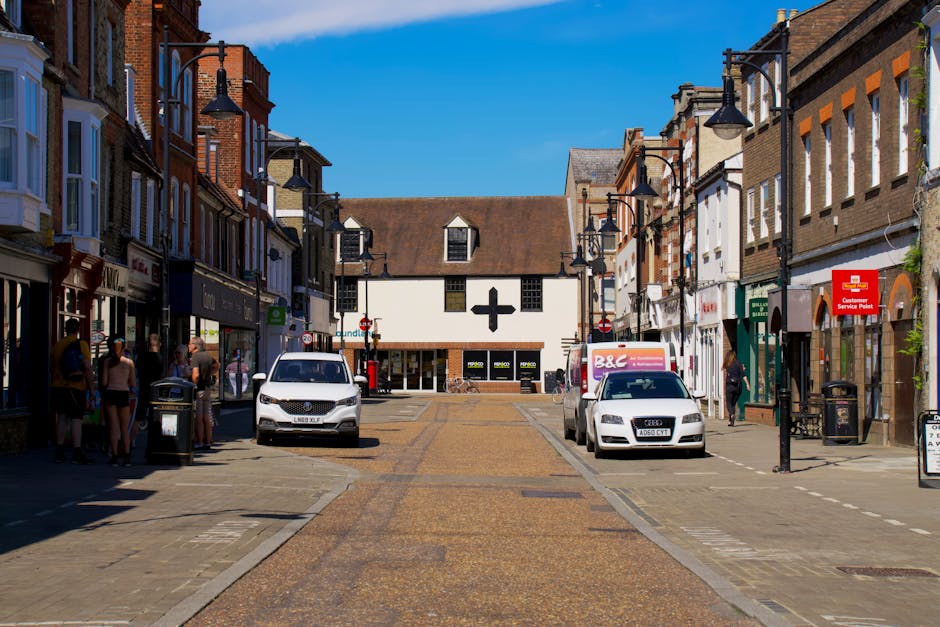
Whether you are moving from a flat, a family home, or a small office, the basic question is the same: can the removals vehicle stop close enough to the property without causing a problem? If not, you may need a permit, a bay suspension, or some other arrangement through Kingston Council. The sections below explain the process, the common pitfalls, and the best way to keep your move smooth and legal.
Why Permit requirements for Tolworth removals Kingston Council rules Matters
Permit rules matter because removals are not just about moving items. They are about where the vehicle can legally stop, how long it can stay there, and whether access is safe for the team and the neighbours around you. In Tolworth, that can make a real difference. Some roads are straightforward, but others have parking controls, timed restrictions, or very little kerb space. A removals van can be efficient and tidy, but even a well-planned move can go sideways if the driver has nowhere to park.
When people ignore permit requirements, a few things tend to happen. The van ends up too far from the front door. Carrying distances get longer. Items are moved more slowly. Sometimes the driver has to keep circling, which burns time and patience. And yes, a penalty or complaint from a neighbour can turn a moving day into a bit of a mess.
There is also the trust and courtesy side of it. A legal parking arrangement shows that the move has been planned properly. That is especially important on busier roads or where a removal truck may need extra space. If you are comparing professional removal services with a cheaper DIY option, permits are one of those hidden details that often separate a calm move from a chaotic one.
Key takeaway: If the removals vehicle will need to park on a controlled road, in a bay, or across a space that affects other users, check Kingston Council requirements before the move date. A small amount of planning now can save a surprising amount of stress later.
How Permit requirements for Tolworth removals Kingston Council rules Works
In practical terms, the permit process is about permission. If a removals vehicle needs to stop somewhere that is not automatically available, the council may require prior approval. That can mean a formal parking permit, a temporary dispensation, or a bay suspension, depending on the exact street and what kind of parking control applies. The right answer depends on where the property is, what type of vehicle is being used, and how long the vehicle needs to stay.
For many homes, a move can be completed using existing parking spaces if the street is quiet and the timing is sensible. But Tolworth has the same sorts of challenges you see across much of Kingston: residential bays, shared access roads, time-limited spaces, and occasional tight corners where a larger van simply cannot sit comfortably. A removals team may suggest a man and van for smaller jobs, or a larger vehicle for a full household move. The bigger the vehicle, the more likely you are to need to think about parking permission.
As a rule of thumb, the council looks at whether the parking activity is temporary, whether it interferes with other road users, and whether the request is reasonable for the street conditions. That does not automatically mean every move needs a permit. It does mean you should not assume the spot outside the door is fair game. It rarely is, at least not without checking.
Sometimes the best option is not a permit at all, but a better loading plan. For example, if the street is too restrictive, the vehicle may park in a nearby legal space and the team may use trolleys or extra carrying manpower. If you are arranging a more complex move, a larger vehicle from moving truck hire may be useful, but it can also increase the need for permission and access planning.
What usually triggers a permit check?
- A controlled parking zone or resident-only bay nearby
- A single yellow line or double yellow line area where stopping is limited
- A narrow road with limited passing space
- A need to reserve a bay for a large removals vehicle
- A move involving a flat, basement, or top-floor property with slow loading
- Any location where the van may block access, driveways, or turning space
Key Benefits and Practical Advantages
Getting the permit side right is not just about avoiding fines. It makes the whole move work better. To be fair, that is what most people actually want: fewer surprises, less carrying, and fewer voices in the stairwell asking when the van will move.
The first benefit is better access. If the vehicle can park close to the property, loading and unloading becomes faster and safer. That matters for heavy furniture, awkward items, and fragile boxes. It also matters if you are using packing and boxes properly, because well-packed boxes still need to travel a decent distance if the vehicle is parked half a street away.
The second benefit is fewer delays. Removal crews work to a schedule. If they spend time hunting for legal parking, the plan gets stretched. A permit or bay arrangement helps the day run in a cleaner line from arrival to final drop-off.
The third benefit is lower risk of damage. Longer carrying distances increase the chance of knocks, trips, and fatigue. That is especially relevant for delicate items, white goods, and anything heavy or awkward. If you are moving specialist items, such as a piano, access planning becomes even more important. A piano removals job, for instance, is rarely something you want to improvise beside a busy kerb.
There is also a neighbour-relations benefit. Nobody loves a lorry sitting across a driveway at 7.30 in the morning. If you manage the permit process properly, you are less likely to create friction with residents or local businesses nearby. Small thing, maybe. But it matters.
Who This Is For and When It Makes Sense
This topic is relevant to a wider group than people first assume. It is not only for large household moves. In fact, some of the trickiest parking situations come from smaller jobs where people think a quick van stop will be easy, then discover the road has restrictions they did not notice.
You are likely to need to pay attention to Kingston Council permit rules if you are:
- moving from a flat in Tolworth with limited on-street parking
- moving a family home on a road with controlled bays
- using a larger removal vehicle rather than a small van
- relocating an office or commercial space with loading limits
- moving at a busy time of day when stopping is harder
- arranging same-day removals and need a quick, practical plan
If you are a student moving out of shared accommodation, it may still matter. Student streets can look simple until a few cars are parked at the wrong angle and the only legal space is two doors down. That is where a small van and a tidy moving plan can save the day. Our student removals service is designed for exactly these more compact, time-sensitive situations.
Commercial moves are another example. Businesses often need to load quickly, but they may also need to keep access open for staff, customers, deliveries, and neighbours. In that setting, checking the parking arrangement early is not optional. It is just sensible. If your move is work-related, the planning discipline used in commercial moves is worth applying even to smaller office relocations.
Step-by-Step Guidance
Here is a practical way to handle permit requirements without overcomplicating things.
- Check the exact address and street conditions. Look at the road, bay markings, yellow lines, and any signs nearby. A five-minute walk around the block can reveal more than guessing from the pavement.
- Work out what vehicle will be used. A small removal van may fit where a larger truck will not. The size matters more than people think.
- Decide whether the vehicle needs to stop directly outside. If the answer is yes, you are more likely to need a permit or suspension.
- Allow time for council checks. Kingston Council processes can take time, so do not leave this until the evening before moving day. That is classic panic territory.
- Confirm the loading plan. Think about entry points, stairs, lift access, and whether the team can safely carry items from the legal parking spot to the property.
- Coordinate with your removals provider. If you are using removal companies, tell them about parking restrictions early. Good teams will ask anyway, but it helps when the client is ahead of the game.
- Keep evidence and confirmation handy. If a permit or exemption is approved, keep the details accessible on the day. It avoids arguments with enforcement or with a puzzled neighbour asking questions from behind the curtain.
One small but important point: if the road is not suitable for a bigger vehicle, do not force the issue. A smarter parking location, a shorter carry, or a two-vehicle plan can be much better than trying to squeeze a truck into a gap that was never going to work.
Expert Tips for Better Results
Over the years, the most successful moves share a common pattern: they are not just booked, they are coordinated. The permit is only one part of that. Here are a few things that genuinely help.
- Do the street check in daylight. Evening guesses are often wrong. Painted bays, signs, and access pinch points are easier to spot when you can actually see them.
- Build in a buffer. If you think loading will take two hours, plan for a bit more. London moves often take longer than the neat little schedule in your head.
- Use the right vehicle size. A smaller van can be a better choice than a larger truck if access is tight. The wrong vehicle costs more in time than it saves in trips.
- Tell the removals team about stairs, lift access, and long carries. A lift that is technically available but painfully slow changes everything. Same with a third-floor flat and no parking right outside.
- Think about early-morning noise. If the vehicle needs to arrive at dawn, you may want a quieter loading plan and careful handling of items. Neighbours notice the clatter of crates and trolley wheels, they really do.
- Prepare parking photographs if needed. A couple of clear photos of the street and signage can help when discussing the situation with a removals provider.
If you are also comparing service levels, it can be useful to look at how a company handles access planning, packing support, and timing. For instance, packing and unpacking services can reduce the pressure on the actual moving window, which matters when parking is constrained.
A slightly odd but true point: a well-timed kettle break can help more than most people admit. If the loading team has a safe place to pause while a permit issue is confirmed, everyone stays calmer. And calm moves are usually better moves.
Common Mistakes to Avoid
The biggest mistakes are usually simple, which is annoying but true. People do not normally fail because they are careless. They fail because they assume the road will be fine, or they leave the parking question until the last minute.
- Assuming a removals van can always stop outside. It often cannot. Even if the road looks empty at 10 a.m., restrictions may still apply.
- Not checking bay types. Resident bays, shared-use bays, and loading-only areas are not interchangeable. They sound similar. They are not.
- Forgetting that larger vehicles need more space. A small van might tuck in neatly. A long wheelbase truck may not.
- Leaving permit arrangements too late. This is the classic one. By the time people notice, the move is tomorrow and the council office clock is not your friend.
- Ignoring access from the parking spot to the property. A legal parking space that is 100 metres away may still be technically possible, but it can add time and strain.
- Overlooking neighbours and shared access. If the vehicle blocks a driveway or communal entrance, you may create avoidable conflict.
One more thing worth saying: do not confuse a "quick stop" with a permitted loading arrangement. That difference can be very important. A removals team may be able to load efficiently, but efficient is not the same as exempt from local rules.
Tools, Resources and Recommendations
You do not need a giant toolkit to manage permit planning, just a few practical habits and the right information in one place.
- Street view and on-site observation: Take a proper look at the road, including signs near the property and the nearest junctions.
- Property details: Flat number, floor level, lift availability, and any rear access all help a removals team plan more accurately.
- Vehicle information: If you know whether the job needs a van, a larger removal truck, or a smaller vehicle, say so early.
- Timing plan: Choose a loading window that gives you breathing space rather than a tight squeeze around commuter traffic.
- Service pages that help with planning: For domestic moves, home moves and house removals are useful starting points; for smaller or more flexible jobs, man with a van can be a better fit.
It can also help to review a company's safety, insurance, and process documents before booking. That sounds dry, I know. Still, when a move involves public roads, vehicle loading, and fragile items, those pages matter more than glossy wording. If you want to understand how a provider handles care and risk, insurance and safety is a sensible place to look.
And if you are the sort of person who likes to keep all the paperwork neat, fair play. There is something very reassuring about a folder with confirmation emails, move dates, and parking notes. Old-school, but effective.
Law, Compliance, Standards, or Best Practice
Without pretending to give legal advice, the safest approach is to treat parking controls and local access rules as real constraints, not background noise. In London, the road outside a property is often managed under parking control rules that can affect loading, stopping, and waiting. Kingston Council may have its own procedures for temporary parking arrangements, and those procedures can vary depending on the road type and the nature of the request.
Best practice is straightforward:
- check the parking restrictions before the move
- confirm whether the vehicle needs specific permission to stop
- allow enough lead time for council processing
- avoid blocking driveways, crossings, or emergency access
- keep the move safe for residents, pedestrians, and staff
That last point is easy to forget. A removals day is busy, but foot traffic, wheelchairs, pushchairs, and delivery drivers do not disappear just because you are moving a wardrobe. Safe working around the public realm is part of good removals practice, not an optional extra.
If your move is complicated, it may be worth speaking to a removals provider that already understands local access and can help you plan the best order of events. A good team will think about vehicle position, load sequence, and how to keep the move moving even when the street is a bit awkward.
Options, Methods, or Comparison Table
Different situations call for different approaches. Here is a simple comparison of the most common options.
| Option | Best for | Advantages | Watch-outs |
|---|---|---|---|
| Use an existing legal bay | Quiet streets or low-volume moves | No extra permission needed if rules allow it; simple to organise | May be far from the property; could be unavailable on the day |
| Apply for a permit or suspension | Controlled parking areas and streets with limited stopping space | Better access and clearer compliance | Needs advance planning and the right application details |
| Park further away and carry items in | Smaller moves or streets with restricted stopping | Can avoid permit delays | Longer carry, more time, more physical effort |
| Use a smaller vehicle | Tight residential streets, flats, or student moves | Often easier to park and manoeuvre | May require more trips if the volume is large |
For many Tolworth moves, the best answer is a mix of these. A smaller van, a short legal stop, and a clear plan for the walk from vehicle to door can be far better than chasing the "ideal" spot outside the property. Not glamorous. Very effective.
Case Study or Real-World Example
Imagine a couple moving from a first-floor flat in Tolworth on a Saturday morning. The road has marked bays, but they are usually busy. The couple originally assumes the removal van can just stop outside while they carry things down. On a dry sunny morning, that sounds fine. By 9 a.m., though, there are cars in every sensible spot and a delivery driver waiting at the corner.
After a quick access check, the removals provider suggests a smaller vehicle and an earlier arrival window. They also advise confirming whether a temporary parking arrangement is needed for the bay nearest the entrance. The couple adjusts the plan, prepares the boxes the night before, and keeps the hallway clear. There is no drama. No shouting. Just a neat, controlled move with less carrying than expected.
Now compare that with the version where nobody checks until the morning. The van arrives, the street is full, the team has to wait, and the first hour disappears before a single sofa is lifted. Same move, same people, very different outcome. In our experience, that difference is nearly always about planning rather than luck.
The same principle applies to business moves and larger domestic jobs. If the access story is handled early, the rest of the day usually feels lighter. Not easy, maybe. Just lighter.
Practical Checklist
Use this checklist before moving day. It is simple, but it catches most avoidable problems.
- Confirm the exact address and access route
- Check for yellow lines, bays, or loading restrictions
- Decide whether the vehicle needs to stop directly outside
- Choose the right vehicle size for the street
- Ask whether Kingston Council permission or a permit is needed
- Allow enough time for any council processing
- Tell your removals team about stairs, lifts, or long carrying distances
- Prepare boxes and furniture so loading is quick
- Keep the hallway, doorway, and parking note details ready
- Have a backup plan if the preferred space is unavailable
One small extra tip: if you can, take a look at the street at the same time of day as your move. Parking at 11 a.m. and parking at 4 p.m. can feel like different roads entirely.
It is a tiny bit old-fashioned, but a handwritten note on the front door for neighbours or flatmates can also help. "Moving today, thank you for your patience" goes a long way. Human beings like being told what is happening.
Get a free quote today and see how much you can save.
Conclusion
Permit planning for Tolworth removals is one of those tasks that looks minor until it becomes the thing holding up the whole day. Once you understand how Kingston Council parking rules, loading access, and vehicle size fit together, the process becomes much more manageable. The real aim is not just compliance. It is to make the move calmer, quicker, and safer for everyone involved.
If you remember nothing else, remember this: check the street early, choose the right vehicle, and do not leave parking arrangements until the last minute. A little practical care now saves time, money, and stress later. And on moving day, that matters more than people realise. Honestly, it really does.
Take a breath, get the access plan right, and the rest has a much better chance of falling into place.
Frequently Asked Questions
Do I always need a permit for removals in Tolworth?
No. If the vehicle can legally park without using restricted space, you may not need one. The key issue is whether the parking position conflicts with local restrictions, loading rules, or access needs.
How do I know if Kingston Council rules affect my moving van?
Look at the street signs, bay markings, and any time restrictions near the property. If the road is controlled or the van needs to stop in a limited space, council rules may apply.
Is a small van better than a larger removal truck for Tolworth streets?
Often, yes, especially on tighter residential roads. A smaller vehicle can be easier to place legally and may reduce the need for special parking arrangements. That said, it depends on the volume being moved.
Can I just use my own parking space on moving day?
Only if it is genuinely available and safe to use. Private spaces, driveways, and shared access points can still have practical limitations, so it is worth checking before assuming everything is fine.
What happens if I do not arrange parking properly?
The move may be delayed, the vehicle may have to park further away, and there is a risk of complaints or parking enforcement issues. The job still gets done, but usually with more stress than needed.
Do flats in Tolworth create more permit issues than houses?
They often do, because flats can have limited frontage, shared bays, and tighter access routes. Houses can be easier, but not always. A narrow residential street can be tricky either way.
Should I tell the removals company about parking restrictions in advance?
Absolutely. The earlier they know, the better they can plan the vehicle, timing, and loading sequence. This is one of those small details that makes a big difference.
Are same-day removals harder to manage with council rules?
They can be. Same-day jobs leave less room for permit processing or parking changes, so they work best when the access is straightforward or the team already knows the area well.
What if the nearest legal parking is quite far from my door?
That is still workable, but it can make loading slower and more physical. In those cases, a smaller vehicle, extra manpower, or a different loading plan may be more efficient.
Do I need to worry about neighbours during a removals day?
Yes, a little. Parking in the wrong place can block access or cause irritation. A considerate plan, and a quick note if needed, can prevent unnecessary tension.
Can packing help reduce the impact of parking restrictions?
Definitely. Good packing means items are ready to move quickly, so even if the vehicle cannot stop directly outside, the overall loading process is smoother. Services like packing and unpacking services can help with that.
Where should I start if I want a smooth move in Tolworth?
Start with access. Check parking, confirm vehicle size, and plan the loading route before anything else. Once that part is sorted, the rest of the move becomes much easier to handle.