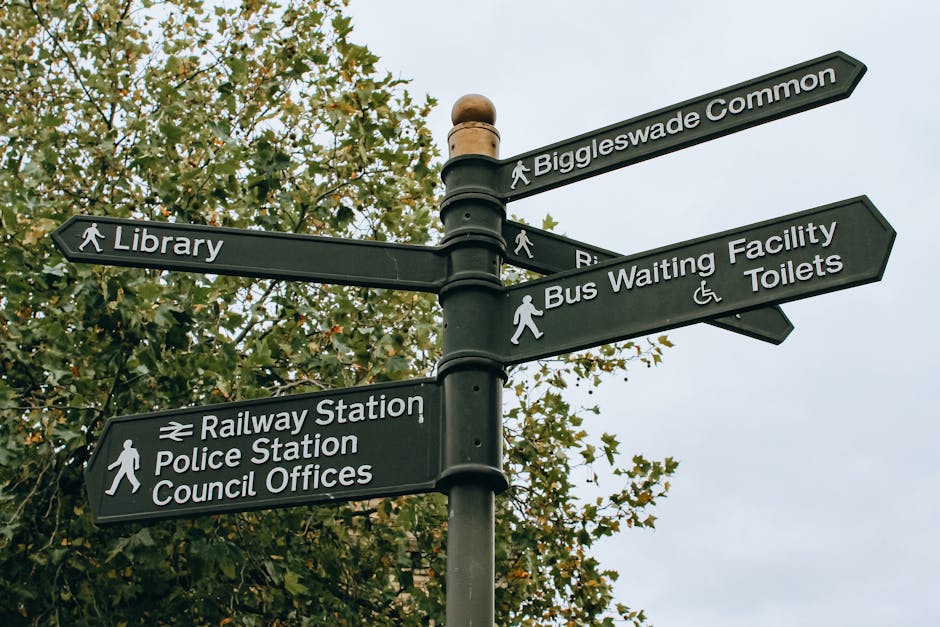
Kingston Council parking rules for Tolworth removals: a practical local guide
If you are moving house in Tolworth, parking is rarely the glamorous part of the day, but it can be the thing that makes or breaks the move. Kingston Council parking rules for Tolworth removals affect where the van can stop, how long it can stay, whether neighbours can still get through, and whether your team spends the morning hauling boxes from the other end of the street. Not ideal, frankly.
This guide explains the moving-day parking side of things in plain English. You will learn why the rules matter, how they usually work in practice, what to check before move day, and how to reduce the risk of delays, penalties, or a very awkward conversation with a traffic warden at 8:15 in the morning. There is also a checklist, a comparison table, and some grounded advice from the sort of local moving jobs where parking is the hidden variable.
Why Kingston Council parking rules for Tolworth removals Matters
Parking matters because removals are timed around access, not just transport. A van that can pull right outside a flat block saves time, protects furniture, and reduces stress. A van that has to park round the corner creates a chain reaction: longer carries, more lifting, slower loading, and more chances for damage.
In Tolworth, that can be especially relevant near busier roads, terraces with tight on-street space, and estates where turning circles are not exactly generous. If you are moving from a flat, a maisonette, or a home on a narrow residential street, the parking arrangement can be as important as the box count. If the van cannot stop safely, your whole move becomes a shuffle.
The council angle matters because local parking controls are there to keep roads clear, manage traffic, and prevent obstruction. For removals, that usually means you need to think ahead about where the vehicle will wait, whether any restrictions apply, and whether a bay suspension, dispensation, or visitor permit is needed. The exact rules can vary by street and time of day, so a "we'll just wing it" approach is risky. Let's face it, it often ends up costing more than doing it properly.
This is why many people planning local removals in Tolworth spend some time on parking logistics before they even start packing the kettle. A clean, well-planned move often looks boring from the outside. That is usually a good sign.
How Kingston Council parking rules for Tolworth removals Works
At a practical level, the process is about matching the vehicle's needs to the parking conditions outside your property. You check the restrictions, decide whether the van can legally stop where you want it, and make sure the move window fits around those rules.
Most Tolworth moves fall into one of a few common parking scenarios:
- Unrestricted residential parking - simpler, but still worth checking for time limits or local markings.
- Permit-only bays - often the area where residents, visitors, or limited waiting rules apply.
- Single yellow lines - sometimes usable at certain times, but never assume.
- Double yellow lines or red-route-style restrictions - usually the least forgiving option, and not where you want to improvise.
- Private estate parking - may be controlled by a landlord, managing agent, or residents' association rather than the council.
For removals, the key question is not only "can a van park here?" but also "can it stay here long enough to safely load or unload?" A moving day often involves several trips between property and vehicle, so even a short stop may need careful handling if bays are restricted or heavily used.
If you are trying to coordinate a wider household move, it helps to line up packing and access in advance. Some customers find it useful to have items packed and ready before the crew arrives, especially where parking is limited and every minute counts. It sounds obvious, but on moving day the obvious things are the ones that get missed.
Another detail worth remembering: the van may need to arrive at a specific time to fit the available parking window. A quieter mid-morning slot can be easier than trying to unload into the afternoon school-run chaos. If your move is time-sensitive, arranging delivery or arrival at the best time for you can make the whole parking puzzle much easier to solve.
Key Benefits and Practical Advantages
When the parking side is handled well, the move feels calmer almost immediately. The benefits are not abstract. You notice them in your knees, your watch, and the general tone of the day.
- Shorter loading times because the van is close to the entrance.
- Lower damage risk since furniture travels fewer metres across steps, kerbs, and pavements.
- Less disruption to neighbours from blocking drives or squeezing vehicles past.
- Fewer delays caused by circling for a space or moving the van repeatedly.
- Better crew efficiency because the team can work in a straight line, not a zig-zag.
- Reduced stress for you, which is worth more than people think on moving day.
There is also a financial upside. Delays and poor access can increase labour time, and in some cases that leads to higher costs. If you want to understand how access and timing may affect the total bill, it is worth reading about how to avoid hidden fees in Tolworth removals. Parking problems are a classic source of "extra time" that nobody feels like paying for.
Expert summary: the best Tolworth move is rarely the one with the biggest van. It is the one where the vehicle can stop legally, stay safely, and allow the team to work without constant interruption.
That little bit of planning often pays for itself in reduced hassle alone. And yes, it can spare you from that slightly panicked moment where the driver is looking for space while your sofa is half out the front door.
Who This Is For and When It Makes Sense
This guide is useful if you are:
- moving out of a house, flat, or maisonette in Tolworth
- booking a van for a same-day or short-notice relocation
- living on a road with permit bays, yellow lines, or tight kerb space
- moving furniture, appliances, or bulky items that need close access
- helping a student, tenant, landlord, or family member move locally
- trying to reduce noise, obstruction, and stress during the move
It is especially useful for flats and shared buildings, where access can be cramped and the loading area is not always as simple as "park outside." If you are moving a whole household, the rules become even more important because you are balancing volume, timing, and the practical need to keep the road clear.
For smaller moves, a simple man-and-van arrangement may be enough. For larger or more awkward loads, you may want a team that understands the access issues around flat removals in Tolworth, house removals, or even the extra handling needed for furniture removals. Different jobs create different parking pressures. A wardrobe, a fridge, and a chest of drawers do not care about your bay restrictions. They just need space.
Step-by-Step Guidance
- Check the street outside both properties. Look at signs, bay markings, time limits, loading restrictions, and whether the road narrows near bends or junctions.
- Work out the van size and stopping point. A larger removal van needs more room to settle safely. If the road is tight, you may need a smaller vehicle or a different loading position.
- Ask about permits or dispensations early. If the area is controlled, sort this out before move day. Last-minute parking requests are where things get messy.
- Build the move around the access window. If the van can only stop at certain times, plan the heaviest lifting for that window and keep the crew moving.
- Protect the front entrance and walkway. Keep paths clear, especially where neighbours or pedestrians pass through.
- Reserve space with common sense, not drama. Some households use a driver, cones, or a second person to watch the vehicle. Be careful here: do not obstruct traffic or create an unsafe situation.
- Keep documents and contact details ready. If the driver needs to speak to someone on-site, you do not want to be hunting for a phone number in a box marked "misc."
- Review the move once the van arrives. Make a quick call on whether the planned space is still workable. Street conditions change, especially in the morning.
A lot of people underestimate step 2. They assume any van can "just fit." Sometimes yes. Sometimes not even close. And once the back doors are open, there is no elegant way to pretend the problem away.
If you are still getting your packing sorted, the practical advice in these packing techniques for house moves can help you avoid a last-minute scramble. The smoother the packing, the quicker the load, and the less time the van needs to stay put.
Expert Tips for Better Results
There are a few small moves that make a big difference. None of them are flashy. Most are just good habits that save time later.
- Book the move for a quieter time of day. Mid-morning or early afternoon is often less stressful than the school-run window.
- Keep the route from door to van as short as possible. Even five extra metres matters when you are carrying a mattress or dresser.
- Use temporary labels for urgent items. Items you want near the front of the van should be easy to identify.
- Measure awkward furniture beforehand. If you know a sofa needs to come out at an angle, you can protect corners and avoid time-wasting surprises.
- Consider the weather. Wet pavements and muddy kerbs are not dramatic, but they slow everything down. A damp January morning can feel never-ending.
- Talk to the neighbours if space is tight. A quick heads-up sometimes prevents complaints and makes the road feel less hostile.
Where access is especially tight, it can also be useful to think about the furniture itself. If you are moving a soft item or something delicate, you might find the guidance on protecting your sofa during a move helpful. Parking rules are one part of the puzzle; protecting the item from the first lift to the final placement is the other.
And if you are handling heavier items like a piano or long mattress, you really do want the access plan sorted before anyone touches the object. The article on professional piano moves is a good reminder that one awkward turn can complicate the entire morning. A little planning, a lot of patience.
Common Mistakes to Avoid
Parking problems usually come from a handful of predictable mistakes. That is the frustrating part. They are predictable, but still easy to make when you are busy.
- Assuming the road is fine because it looked empty yesterday. One parked car can change everything.
- Forgetting about the return trip. Loading and unloading can take longer than expected.
- Not checking whether the property is on private land. Estate rules are not always the same as council rules.
- Leaving the parking decision until the van arrives. By then you are reacting, not planning.
- Blocking access for too long. Even where stopping is allowed, common sense still applies.
- Ignoring height, turning, or kerb issues. A van might technically fit but still be awkward to position.
Another common mistake is treating parking as separate from everything else. It is not. Parking affects loading speed, which affects labour time, which affects stress, which then affects how carefully people carry things. The chain reaction is real.
If your move involves heavy lifting, the advice in kinetic lifting fundamentals is worth a read. Good lifting and good access go hand in hand. One without the other is only half a solution.
Tools, Resources and Recommendations
You do not need complicated software to manage parking for a Tolworth removal. A short, practical toolkit is enough.
- Phone camera - take photos of signs, bay markings, and the property frontage.
- Notebook or moving checklist - write down times, access notes, and contact details.
- Measuring tape - useful for doorways, hallways, and tight turning spaces.
- Floor plan or room list - helps prioritise the unload order.
- Boxes and labels - so the crew is not wasting time asking where the essentials are.
For homeowners and tenants who want a calmer move overall, it also helps to pair the parking plan with decluttering. There is a practical guide on decluttering before moving that can reduce the total volume going into the van. Fewer items usually means fewer loading trips, which means less time wrestling with parking at the kerb.
If you are comparing moving support options, you may also want to look at the broader services overview so you can match the move type to the access situation. For example, a straightforward man-and-van job may suit one property, while a larger household move may need a more carefully planned setup.
Law, Compliance, Standards, or Best Practice
Parking controls are not just a convenience issue. They are part of local road use, traffic management, and safe access. In practice, that means you should assume the following best practices apply:
- do not park where signage or road markings say you should not
- do not block driveways, crossings, junctions, or emergency access
- do not leave a vehicle unattended in a way that creates avoidable obstruction
- check whether the stop is on council-controlled land or private land
- build in enough time for loading so nobody feels pressured to rush
If you are unsure, treat the situation cautiously. It is better to take a slightly less convenient loading position than to risk a penalty or conflict. That sounds obvious, but on move day people often get creative for all the wrong reasons.
From a removals best-practice perspective, careful planning is also part of duty of care. A professional team should think about vehicle access, safe lifting, route planning, and property protection together. If safety is important to you - and it should be - it is worth reviewing a company's health and safety policy and insurance and safety approach before booking. That is not overcautious. It is sensible.
Options, Methods, or Comparison Table
There is more than one way to handle parking for a removals job. The right choice depends on the street, the property type, and how much you are moving.
| Approach | Best for | Pros | Watch-outs |
|---|---|---|---|
| Direct kerbside loading | Quiet streets with open access | Fastest loading, shortest carry | Not always available, still needs checking |
| Permit or dispensation planning | Controlled streets and permit zones | More predictable, better compliance | Needs advance planning and correct details |
| Alternative nearby parking | Tight roads or busy times | Can be legal and workable when front access is blocked | Longer carry, slower move |
| Smaller vehicle strategy | Narrow streets or estates | Easier to position, often more flexible | May require extra trips if loads are large |
For a lot of Tolworth homes, the real decision is between speed and convenience. A front-door stop is ideal, sure, but a legal space a short walk away may be the more realistic option. You do not need perfection. You need something that works safely, without drama, and without last-minute improvisation.
Case Study or Real-World Example
Here is a typical local scenario. A family moving from a second-floor flat in Tolworth had a removal van booked for an early start. On paper, it looked simple. In reality, the road outside the building had limited space, a few resident-only bays, and a corner that made reversing awkward.
Instead of waiting for the van to arrive and hoping for the best, they checked access the day before, cleared a small holding area for boxes inside the hallway, and moved the largest items to the front room first. They also made sure the lighter boxes were already grouped and labelled. That meant the van could stop, load, and go in one organised flow.
The result was not magical. It was just efficient. No circling. No "can you move that car?" moment. No one was carrying a wardrobe down the street while trying not to bump a neighbour's wing mirror. The move still had the usual noise, tape, dust, and mild chaos, but it stayed manageable.
That is the real aim with Kingston Council parking rules for Tolworth removals: not to turn moving day into a perfect system, just to remove the avoidable friction. Parking is one of those small details that has an outsized impact.
Practical Checklist
- Check the parking signs and road markings at the property.
- Confirm whether the street is council-controlled or private.
- Identify the nearest legal loading point for the van.
- Ask whether permits, dispensations, or visitor arrangements are needed.
- Measure tight access points, kerbs, and entrance widths if relevant.
- Pack and label items so loading can start immediately.
- Keep the route from door to van clear of bins, bikes, and clutter.
- Tell neighbours if the move is likely to affect shared access.
- Have the driver's and organiser's contact details ready.
- Leave a little buffer time. Always. Moving days rarely run to the minute.
If you want to make the whole process smoother, a good next step is to organise the packing properly and line it up with your loading plan. That is where packing and boxes support can be useful, especially if you are short on time or juggling family commitments.
And if you are relocating under pressure, the guide on last-minute moving delays in Tolworth may save you a bit of panic. We all know moves have a habit of growing arms and legs at the worst possible moment.
Get a free quote today and see how much you can save.
Conclusion
Kingston Council parking rules for Tolworth removals are not just red tape. They are part of a sensible moving plan. When you get the parking right, everything else becomes easier: loading, timing, safety, neighbour relations, and even your mood.
So, before moving day arrives, do the boring bit well. Check the street. Think about the van. Plan the access. Keep an eye on the clock. It is a small amount of effort that can save a very large amount of stress. And when the front door opens and the first box goes in cleanly, you will feel the difference straight away. That calm, steady start matters more than people think.
For anyone moving in or out of Tolworth, the best move is the one that feels controlled, not rushed. A little planning goes a long way, and on moving day, that really is everything.
Frequently Asked Questions
Do I need permission to park a removals van in Tolworth?
Sometimes yes, sometimes no. It depends on the street, the markings, and whether the parking is controlled. If the space is permit-only or time-limited, you may need to arrange something in advance. If in doubt, treat it as a planning task, not a guess.
Can a removals van stop on yellow lines while I load?
Not automatically. Yellow lines usually come with time-based or location-based restrictions, and loading rules can be more complicated than people expect. You should check the local signs carefully rather than assuming a short stop will be acceptable.
What happens if the van cannot park outside my property?
The crew may need to park further away and carry items longer distances. That can add time and effort, so it is worth planning an alternative legal loading point in advance. The move can still work, but it may take more coordination.
Are parking rules different for flats and houses?
Yes, often they are. Flats can involve shared entrances, estate roads, private bays, or restricted access areas. Houses are sometimes simpler, but narrow roads, resident parking, and permit zones can still create problems.
Should I book a smaller van if parking is tight?
That can be a smart move. Smaller vehicles are easier to position in narrow streets or estates, though they may require extra trips. The right answer depends on the volume of items and how awkward the access is.
How far in advance should I sort parking for a removal?
As early as you reasonably can. A few days ahead is better than a few hours ahead, especially for controlled streets or apartment blocks. Last-minute parking planning is where a lot of avoidable stress starts.
Do I need to tell neighbours before a removals van arrives?
It is not always required, but it is often helpful. A quick heads-up can reduce complaints and make shared access easier on the day. It is one of those small courtesies that tends to smooth everything out.
Can I reserve a space with cones or bins?
You need to be very careful here. Do not block traffic or create unsafe obstructions. If you are unsure, use a lawful approach and keep access arrangements sensible. A removal day should not turn into a street argument.
What should I check on the parking signs?
Look for times, loading restrictions, permit requirements, resident-only rules, and any note about maximum stay. It also helps to check whether the restriction applies on weekdays only or across the whole week.
Does parking affect the cost of a removal?
It can. Poor access may increase the time needed to load and unload, and that can affect labour costs. It is one reason why access planning matters just as much as the volume of items.
What is the best time of day for removals in Tolworth?
Often the quieter periods are easier, because there is less competition for roadside space and less general traffic. A mid-morning slot can be a good compromise, but the best time depends on your street and the kind of move you are doing.
Is this something a removal company should help with?
Yes, a good local mover should think about access and parking as part of the job. They may not control council rules, but they should be able to help plan the vehicle position, timing, and practical loading flow.